
Ep. 049 - Seafood Fraud, Transparency, and Trust with Chef Frank Terzoli
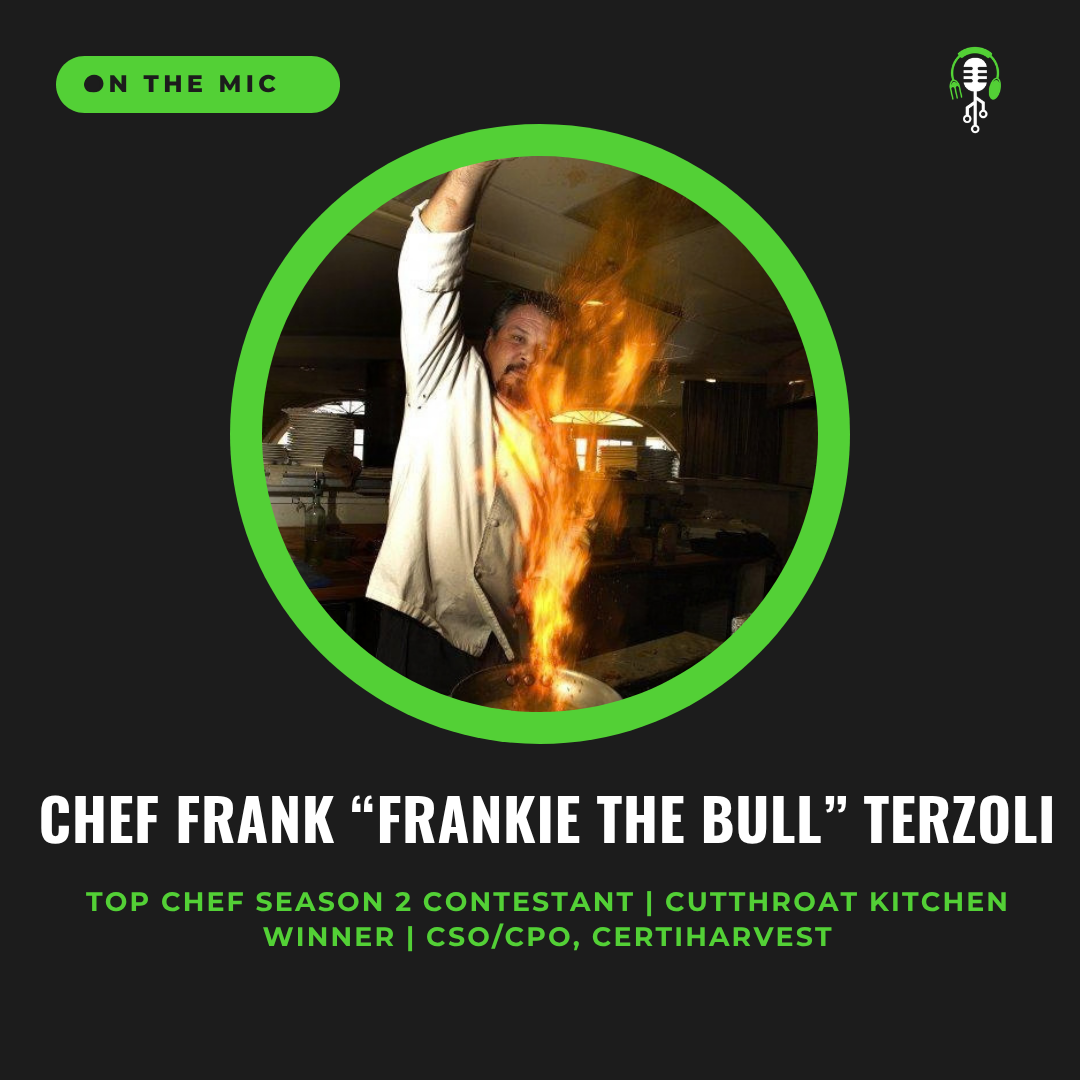
How much do you really know about the seafood you buy? In this episode of Bites & Bytes Podcast, Kristin King sits down with Chef Frank Terzoli, a lifelong chef, commercial fisherman and captain, seafood industry veteran, and someone who helped shape global seafood traceability standards.
Frank’s career has taken him from cooking professionally as a kid and running fishing boats to Top Chef, global seafood sourcing, conservation work, and now CertiHarvest. Along the way, he has seen firsthand how an industry built on long-standing relationships can also become fragmented, opaque, and vulnerable to fraud.
The conversation moves from seafood fraud and mislabeling into a bigger question: what changes when verified information begins at harvest? Frank explains why transparency, not simply traceability, matters; how first-mile data can give buyers and consumers greater confidence in origin, handling, quality, and freshness; and how technology is changing what the seafood supply chain can actually know in real time.
Kristin and Frank also talk about aquaculture, food security, seafood quality, consumer education, connected technology, and the cyber-physical risks of putting more data and devices into food production. And because this is Frank, there are also sharks, Sicilian food memories, and more laughter-filled stories.
If you eat seafood, buy seafood, work anywhere in the food supply chain, or simply want to understand what transparency can look like when technology finally catches up with industry, this conversation is for you.
---------------
Guest Contact Information
Chef Frank “Frankie the Bull” Terzoli
Top Chef Season 2 Contestant
Cutthroat Kitchen Winner
CSO/CPO, CertiHarvest
Frank’s LinkedIn
CertiHarvest Website
CertiHarvest LinkedIn
---------------
Episode Key Highlights:
00:01:43 — Sicilian Food, Family and Eating Memories
00:05:53 — Swimming with Sharks: Frank’s Unforgettable Fishing Story
00:08:21 — From Commercial Fishing to Top Chef
00:15:42 — Frank’s Work with WWF and Global Seafood Traceability Standards
00:16:58 — Moving Beyond Traceability to Seafood Transparency
00:23:27 — Seafood Fraud: What Consumers Should Look For
00:24:05 — How AI Is Transforming Aquaculture
00:30:00 — Cybersecurity and the Risks of Connected Seafood Systems
00:32:26 — Seafood Imports and Supply Chain Vulnerabilities
00:36:53 — Aquaculture, Sustainability and the Future of Seafood
00:41:28 — How to Recognize Fresh, High-Quality Seafood
00:44:13 — CertiHarvest and the Future of Food Transparency
---------------
📘 Kristin’s book, “Securing What Feeds Us: Cybersecurity in Food and Agriculture,” is here.
---------------
🎤 Book Kristin King to Speak
To invite Kristin to speak at your conference, corporate event, webinar, or workshop, visit the website and submit a request.
---------------
🎤 Bites and Bytes Podcast Info:
Website: Explore all our episodes, articles, and more on our official website.
---------------
🛡️ About AnzenSage & AnzenOT
AnzenSage is a cybersecurity advisory firm specializing in security resilience for the food, agriculture, zoo, and aquarium industries. AnzenSage offers practical, strategic guidance to help organizations anticipate risks and build resilience. Learn more about their offerings at anzensage.com.
AnzenOT helps organizations understand and prioritize operational risk faster, without slow or static assessments. Subscription access is available, including a student option. Learn more at anzenot.com.
Listen to full episode :
Episode Guide:
00:00:17 — Introduction: The Final Episode of the 2026 Seafood Summer Series
00:01:22 — Favorite Foods, Sicilian Traditions and Family Memories
00:03:38 — Frank's Culinary Beginnings and Growing Up in Little Italy
00:05:34 — From Professional Kitchens to Commercial Fishing
00:05:53 — Sharks, a Tangled Fishing Net and a Lesson from His Father
00:07:51 — Becoming a Fishing Captain and Entering the Seafood Industry
00:08:21 — Lighting a Bar on Fire and Landing on Top Chef
00:09:21 — The Origin of Frankie the Bull and His Television Career
00:10:14 — From Celebrity Chef to Food Technology
00:11:33 — Seven Fisheries and Adventures Aboard the Frankie Boy
00:12:44 — Listener Break and Securing What Feeds Us Book Announcement
00:14:08 — Seafood Fraud and the Problems with an Opaque Industry
00:15:42 — WWF and the Development of Global Seafood Traceability Standards
00:16:58 — CertiHarvest: Moving from Traceability to Transparency
00:17:48 — Explaining Food Transparency with Crocs and Stickers
00:19:39 — Real-Time Data, QR Codes and Verified Food Information
00:21:37 — A Chef's Perspective on Seafood Quality and Favorite Fish
00:22:56 — Seafood Mislabeling, Consumer Education and Buying with Confidence
00:24:05 — AI Cameras, Individual Fish Monitoring and Aquaculture Technology
00:25:01 — Understanding Seafood Fraud, Country of Origin and Retail Standards
00:26:51 — Knowing Where Your Seafood Comes From
00:28:11 — AnzenSage: Cybersecurity and Operational Resilience
00:29:55 — Cybersecurity and Cyber-Physical Risks in the Seafood Industry
00:32:02 — Imported Seafood, Supply Chain Visibility and Food Security
00:32:47 — Seafood Testing and Supply Chain Due Diligence
00:33:17 — The Indonesian Shrimp Recall and Contamination Concerns
00:34:59 — AnzenOT: Continuous Operational Risk Management
00:36:37 — Frank's Vision for the Future of Seafood
00:36:53 — Aquaculture, Sustainability and Common Misconceptions About Farmed Fish
00:38:28 — Understanding the Differences in Farmed Seafood Quality
00:39:28 — Overcoming Consumer Hesitation and Exploring Seafood
00:41:28 — How to Choose Fresh Seafood Using Your Senses
00:42:48 — Cooking Seafood: Flavors, Versatility and Starting with Quality
00:43:24 — What's Next for Frankie the Bull?
00:44:13 — Expanding CertiHarvest's Transparency Technology Beyond Seafood
00:45:43 — Connecting with Frank and Giving Back to the Community
00:46:37 — Closing Thoughts and the End of the Seafood Summer Series
-
00:00:17 Kristin King
Welcome back to the Bites and Bites podcast. I'm your host, Kristen King. And today we're wrapping up our 2026 Seafood Summer Series with Chef Frank, Frankie the Bull,
00:00:31 Kristin King
You might recognize Frank from Top Chef Season 2, where he earned the nickname Frankie the Bull, or as the winner of Cutthroat Kitchen. But television is only a very small part of his story. Frank has spent his life around food and seafood, and he has stories. A lot of stories.
00:00:52 Kristin King
We chat about seafood fraud, transparency, aquaculture, food technology, and of course, cybersecurity. And there's quite a bit of laughter all along the way. If you missed the first two episodes of our Seafood Summer Series, please do go back and check them out. We covered a lot of ground this summer and each of our guests has brought their own experience and perspective on the seafood industry and where it's heading. So let's get into it.
00:01:22 Kristin King
And in Bites and Bites podcast tradition, we're going to start with favorite food and favorite food memory. They do not need to be the same thing. And if you can't come up with either one of those, I'll take current food fixation.
00:01:34 Chef Frank Terzoli
Great to be on. Wow. All right. Favorite food. Favorite food. To me, favorite foods always bring back memories.
00:01:43 Chef Frank Terzoli
I don't think to replace a memory, I don't think you can compete against a memory. So where you have that favorite food and I try to live that favorite food moment frequently. I just got back from a trip from Sicily and favorite foods in Sicily, you know, Sicilian st foods, specifically Sicilian seafood, just, I mean, absolutely. But there's peasant foods too that I just adore. And there's something in Sicily called panelli. And basically what panelli is, it's garbanzo bean flour, water, salt and parsley.
00:02:13 Chef Frank Terzoli
And then you make it into biscuit paste and then you fry it and you take garbanzo bean, I guess, cakes and put them between fresh Sicilian bread with lemon and that's it. And it is, it brings back, it brings back memories with my father growing up. It brings back the Sunday dinners around the Sicilian table at my house. And those memories are just, you can't compete. It is not luxurious food. It's not caviar. It is literally, you're eating memories.
00:02:43 Chef Frank Terzoli
And also it sounds really healthy. You can't really go wrong with a garbanzo bean. I also, I'm a huge fan of garbanzo beans. So when you said this, I was like, what is this?
00:02:51 Kristin King
I need this now.
00:02:53 Chef Frank Terzoli
Yeah, I'll send you a recipe for it for sure. It's not very hard to make, but it's just, it just has, there's something about it.
00:02:59 Kristin King
It's A staple in my pantry. I think a lot of people, I don't know, I like a lot of beans in my diet. It's just something I've rolled into. And I feel like everybody's always going to can of those. So I'm sure that recipe is just fabulous. And the bread sounds
00:03:13 Kristin King
lovely too. And I love that it always relates back to your past. And you're right, you eat memories. I often think of that with my family, that this is a memory we're creating as we're eating proud of what it is. Even if it's a bad meal, it's still a memory, right? It's true. But we were talking about favorite foods.
00:03:28 Chef Frank Terzoli
Some of my most given memories are around bad meals.
00:03:31 Kristin King
Yeah, that's true. I think
00:03:35 Chef Frank Terzoli
It's the dreaded potluck.
00:03:38 Kristin King
Okay, Frank, why don't you go into a little bit of your background and bio on that note, because the laughter will continue. And I definitely want you to get into how you got into culinary everything, because God knows your resume is huge, and where you're at now. So go for it again.
00:03:54 Chef Frank Terzoli
Wow, okay, that's, yeah.
00:03:56 Kristin King
It's a long story. You've got plenty of time.
00:03:59 Chef Frank Terzoli
I think I've reinvented myself probably six or seven times in my life, and I love every time I do it.
00:04:04 Chef Frank Terzoli
Some people, they shy away from change. And I think change is growth. And it's not always comfortable. In fact, most of the time it's not. But each time it opens up something new, right? It opens up a new story, a new page in your life, things of that nature. So I mean, literally, I got my first cookbook when I was 7 from Santa Claus. And I cooked everything in that cookbook from cover to cover by the time I was 8. And there were no cake boxes in there, baking mixes,
00:04:34 Chef Frank Terzoli
Yeah, all scratch cooking. And my grandma was a great cook. And we lived next door to her in apartments when I was growing up in Little Italy in San Diego. And by the time my uncle had a restaurant, and I would beg him, I'd beg him to go to work. And I started there when I was 11 years old, bussing tables. And by the time I was 12, I was in the kitchen cooking professionally. And it was a natural fit for me. I call myself a chef by gift. I think that's something that God gave me. It was a palette. And they built
00:05:04 Chef Frank Terzoli
ability to break down recipes, break down foods, to envision them, to almost taste them in my mind before I put them together. I mentored under some wonderful chefs. Louis Elshek taught me classic French. He was Mr. Lestar. I was 17 and started running his kitchen. So that was an interesting thing. It was like a little child protege as far as food goes. But I just enjoyed every minute and I enjoy every minute of it today. And I still cook every day at my house. I still cook from scratch every day.
00:05:34 Chef Frank Terzoli
I still help out. I still volunteer. So I left that whole world because my dad was a commercial tuna fisherman. And I went fishing, believe it or not, and ended up with captives acres at 22. And went into the fishing world for seven or eight years.
00:05:50 Kristin King
Did they make you be the cook on the ship too?
00:05:53 Chef Frank Terzoli
Well, so I'm gonna tell you a funny story. So I was the cook on my dad's ship for the first trip, and the whole crew was Latin. They all spoke Spanish. I didn't speak a word.
00:06:04 Chef Frank Terzoli
time. And my father ended up getting the big Super Sailor net inside the propeller. And we were about 3000 miles offshore. Oh my goodness. And there were sharks everywhere. Of course there were because you have fish. Yeah, and there's blood in the water and there's sharks everywhere. And he gets he gets to net the wheel and he gets on a PA system and he goes, he goes, Frank, get ready to go on the water. And I go, look, what am I supposed to do armed with a wooden spoon? You know, I go on the cook, but he knew I scuba dope. So
00:06:34 Chef Frank Terzoli
my goodness. So I was terrified. I mean, there were fins everywhere, white tip, oceanic white tip sharks just everywhere. And so I'm like, dad, I'm like, can you like get some guys with guns or like, how am I going to be protected? You know what he does? He throws me in the water. Oh. And he looks at me and he goes, don't worry, son, sharks don't eat ****. I mean,
00:06:58 Chef Frank Terzoli
So I'm terrified. I mean, literally terrified. I'm underneath this 240 foot ship trying to cut net out of a propeller that's 6 foot tall and there's sharks everywhere. And they're bumping into my legs and I'm like, I can't even concentrate on what I'm doing because my head's on a swivel underwater. Oh my goodness. But you know, I got up and he brought me into his room and he told me, he said, do you know why I did that? And I said, I have no idea. And he said, because now you're part of a crew.
00:07:28 Chef Frank Terzoli
and you'll be respected for that. Yeah, it was a horrifying, terrifying experience.
00:07:35 Kristin King
I mean, at least you could say you probably experienced the most fearful moment in your life and survived it. You literally swam, it was sharks, you know?
00:07:43 Chef Frank Terzoli
Yeah, they were, I mean, there was 10 ton, 15 ton of Bermura. They were everywhere.
00:07:47 Kristin King
So you continued on the boat after that.
00:07:51 Chef Frank Terzoli
I did. I did. And started running boats on my own. I worked my way up on deck and then started being a captain. I went to Ecuador to run boats in Sabal. And I got out. And then I went into the seafood industry because it was like, I'm working really, really hard and I'm not getting paid what I see on the other side. So I thought, well, you know what? I'm going to go to the other side because that's going to make more money, which that's not true either. There's a balance between that and free market plays a big role in a global
00:08:21 Chef Frank Terzoli
And so I worked in the seafood industry for some of the biggest companies and grew a great portfolio, made some wonderful friends and started consulting. And the reason I started consulting is because I moved back to San Diego from traveling everywhere and I took a job as a chef. I used to be, I'm not super calm now, but I was a little bit crazier back then. And so one day at a club that I had just opened, I lit the bar on fire on purpose. Yeah.
00:08:49 Kristin King
Casual.
00:08:51 Chef Frank Terzoli
And I'm going to be a crew there from MTV filming the X. So they're like, we got to get you on film and we need to put you on TV. Because I mean, I was doing one-handed cartwheels. I was singing in the dining room. I was like bars on fire. They're like, no, you need to be on camera. So the next day they brought in a camera. They took a real of me and they submitted it to top chef. And so I was chosen for top chef season two. That is where I got my nickname, the ball, because I'm one of those people that
00:09:21 Chef Frank Terzoli
that when I'm working somewhere, I'm very intense and please just get out of my way. It's like the old slit smalt liquor commercials. Like I'm going through the wall. Like I'll go through the wall. So you might not want to stand in front of the wall. Like the Kool-Aid man going right through the wall. Yeah, exactly. So there was a bowl back in the day, slit smalt liquor bowl, and that's what it was. Wow. So they were like Frankie the bowl. And it sucks since. Oh yeah, no. And then I was portrayed as a
00:09:51 Chef Frank Terzoli
an antagonist. I was kind of nasty and mean on camera. That's the role they put me in. So I just got started getting cast for that. Different food network things and different other different stations would pick me up for different things. I was, you know, hosting coaching bad and couples therapy was a fun one to do it. I was a host. I was trying to break these people up. It was a lot of fun.
00:10:13 Kristin King
Wow.
00:10:14 Chef Frank Terzoli
And then I got into technology, food technology.
00:10:18 Kristin King
If you hadn't done it all already, then you jump into tech.
00:10:21 Chef Frank Terzoli
Right, And I can't code a single line.
00:10:24 Kristin King
I can't code either.
00:10:25 Chef Frank Terzoli
They want to be an architect. They want to be an architect, a traceability system for food.
00:10:30 Kristin King
Oh, yeah, okay.
00:10:31 Chef Frank Terzoli
Another casual moment. And you know the technology world, they're throwing acronyms out like, I should know what all these things mean. Yeah, we're worried about that. I'm just shaking my head. I have no clue. And I'm at home, I'm Googling, you know, what's the name?
00:10:49 Kristin King
Just so we all start there. We all start in our career in technology, cyber, any of it, with people throwing acronyms and we're writing them down and we're looking at them on the fly. Because we don't want to be those people that are like, what are you talking about? We don't want to be shamed in public for not knowing something. And I think the older I get, I've realized the more of, I don't know what you're talking about. I can't stand that. So I'm sorry you experienced that. It's very common.
00:11:12 Chef Frank Terzoli
I tell people all the time, like, look, you're going to have to have a lot of patience and a lot of crayons to explain this to me.
00:11:19 Kristin King
Crayons, yes, absolutely. We love crayons.
00:11:22 Chef Frank Terzoli
It's fantastic.
00:11:24 Kristin King
So I think, I don't even know where to start with you, Frank, because there's just so much. Good God. Okay, so a few things.
00:11:33 Kristin King
When you were doing the fishing boats, what type of fish were you fishing? I think you said tuna when you were with your dad, but what happened after that?
00:11:40 Chef Frank Terzoli
Yeah, I did seven different fisheries. I did, I went to Alaska. I did the deadliest catch stuff. I did halibut up there. I did lobster. I did swordfish. I did tuna.
00:11:50 Kristin King
Again, a casual moment for you, Frank Dam.
00:11:53 Chef Frank Terzoli
I remember we bought a 38 foot wooden boat. They named it the Frankie Boy and my dad sent me out fishing by myself up and down the California coast. And this thing was not seaworthy. And I remember one time calling the Coast Guard and telling them, please call me every 5 minutes and if I don't pick up and answer you back, come get me. Oh my gosh.
00:12:16 Chef Frank Terzoli
I'm going to be, I'm going to try to get into this breakwater and I'm going to basically be surfing in on a 38 foot wooden boat. And I was terrified. The visual of that is epic, by the way. Oh my goodness. That's fantastic.
00:12:31 Kristin King
So you were, so you did a little bit of everything it sounds like throughout.
00:12:34 Chef Frank Terzoli
I did a majority of it was super sand or tuna fishing for, you know, Starcast or Chicken of the Sea or Bumblebee or one of those.
00:12:44 Kristin King
Let's take a quick break before continuing our chat with Frank. First, thank you for listening. And if you've been enjoying this episode, please remember to like, comment and share it with someone or leave a review. It really does help more people find the show and I really appreciate it. I hope you've also enjoyed the Seafood Summer Series this year. It's been a lot of fun putting these conversations together and I genuinely hope you learned as much from our guests as I did.
00:13:11 Kristin King
And I cannot believe I'm finally saying this, but my book, Securing What Feeds Us, Cybersecurity and Food and Agriculture, is less than a week away.
00:13:20 Kristin King
Wow.
00:13:21 Kristin King
It does publish on September 29th, 2026.
00:13:25 Kristin King
You can still pre-order it, which is probably the easiest way to make sure you don't forget to get your copy when the publication day arrives. You can head on over to securingwithfeedsus.com. You'll find all the pre-order links there, along with more information about the book. And it's actually becoming so much more than a book landing page.
00:13:41 Kristin King
There are companion resources, an atlas tracking publicly disclosed food and agricultural cyber-related attacks from 2020 to present, my upcoming speaking schedule, and of course, everything you might want to know about the book itself and so much more. And to everyone who's already pre-ordered, thank you so much. I am still amazed by the response, and I am incredibly excited to finally get this book into everyone's hands. All right, back to my conversation with Frank.
00:14:08 Kristin King
Okay, so let's bridge the gap. So you started doing the technology stuff, but I also know that you're a huge advocate for food fraud, education and seafood as well, because be it or not, I know a lot of people don't know this, it's actually a huge problem. It's a big, big problem and it's getting worse over the years too. A lot of friends of the food defense that are listening will be nodding, of course. Do you want to talk about that a little bit? Because I know you have lots of thoughts and feelings around food fraud and general seafood fraud specifically.
00:14:33 Chef Frank Terzoli
Yeah, and you know, and I became a conservationist.
00:14:37 Chef Frank Terzoli
I believe, by viewing the problem firsthand and having a switch in my mind go off and saying, wow, you start looking at global problems and you start looking at global food supplies. The only viable protein that can feed everybody on this planet has to come from the water. You can't build vertical farms, you can't put enough cows on land, you can't grow plant proteins at any level that would be sustainable. I mean, we'd literally have to cut the population in half globally to be able to feed everybody without taking in what
00:15:07 Chef Frank Terzoli
from our oceans and our resources. So you look at that and you go, wow, there's a problem. There's a big problem here. And a big part of the problem is that the industry operates the way the industry has been operating for 150 or 200 years. It's archaic and fragmented and opaque. And the opaque part is where that's where fraud can sneak in. And it doesn't even sneak in. It comes and hits you on the side of the head with a QY4. A lot of the times it's true. No, it is. I agree. Yeah, it's white. I could throw a bread
00:15:38 Chef Frank Terzoli
I can call it whatever I want, right? How would anybody know?
00:15:41 Kristin King
They won't know.
00:15:42 Chef Frank Terzoli
They don't. They don't. And so after I got picked up by the WWF and wrote the first, helped write, the first global standards for traceability and what needed to be captured so that we could have visibility into the supply chain and exchange that data so that in case of a recall, in case of a poisoning, in case of a terrorist events for food are right and are sitting somewhere on a whiteboard in some wacko's office.
00:16:07 Chef Frank Terzoli
And he's just trying to figure out how to poison water supplies or get something else done on a mass scale.
00:16:13 Kristin King
Yo, thank you for saying that, Frank, because I've been definitely waving that flag for years. So I 100% agree with you.
00:16:19 Chef Frank Terzoli
They're not going to put something into like the cafeteria. They're going to do it like with some global supply of something. And it's scary. You know, we don't know what.
00:16:31 Kristin King
Yeah, I think a foodborne illness is.
00:16:34 Kristin King
incoming for sure when it comes to fraud and other food safety related issues. I think that we are, it will be triggered by technology as well. And I think a lot of people think I'm just like the doomsday crier with a little bell running around, dinging around. And it's
00:16:51 Kristin King
There's evidence, watch the patterns, systems thinking, like it's right there and it's scary stuff.
00:16:58 Chef Frank Terzoli
It's preventable though. So it really is. And this is, I think this is what makes me most excited about what I'm doing now at CertaHarvest. So we've moved out of that traceability idea that we're passing information, you know, from one person to another. And we're moving into transparency. And
00:17:18 Chef Frank Terzoli
Prior to, even when I wrote the GDST standards, the Global.Loud and CFID traceability, which were being adopted globally, it was still one machine talking to another machine, connecting information in a supply chain. And that's great. And that was a brilliant standard to come up with at the time because technology had not caught up to industry. Now, in the last five years, technology smoked through everything and doubles every month. So there is no excuse right
00:17:48 Chef Frank Terzoli
now for not being transparent in our food system, not being, it's attribute association is all that it is, right? It's, I always say, you know, people buy Crocs and then they put those little stickers on them.
00:18:02 Kristin King
Yeah.
00:18:03 Chef Frank Terzoli
Well, if the Croc is the product, the sticker's an attribute. You can put as many stickers on your Crocs as you want, right?
00:18:09 Chef Frank Terzoli
Now with technology, we can do the same thing with information and data.
00:18:13 Kristin King
That is a very interesting example because there's a very interesting camp of people who like Crocs and those who hate Crocs. So that's a great example.
00:18:22 Chef Frank Terzoli
I'm not a croc guy myself, but I mean, I have kitchen clogs, if that counts.
00:18:27 Kristin King
I don't think that's the same thing because you, well, you could put stickers on them, I suppose, but that wouldn't really be sanitary, I guess.
00:18:33 Chef Frank Terzoli
Probably not.
00:18:35 Kristin King
I don't know. how the rules are on that. I love this idea because
00:18:39 Kristin King
I think a lot of people or consumers don't understand transparency in food. Like the concept is understandable based on the meaning of the words. Example would be, this is the worst example, but in food, if you have produce that you buy at the grocery store, it has a sticker on it. That sticker is supposed to be able to trace where it came from, what farm, what batch, whatever. They've decided to denote it as a lot. And that is what that is. That's our old school method of doing it, our analog method of doing it. Now, as anyone knows who's had kids or play
00:19:09 Kristin King
those stickers will fling off. They will go to a different produce. It's not a tomato, it's a cucumber. It gets confused. And then one farm will be accused of E. coli while another farm is actually the culprit. So there's a lot of like issues with that. What you're doing, because it's different, that type of data is coming from actual systems that are monitoring the fish. Am I correct in that? And so it's more of a, you're tracking data that's actually, it's accurate. It's not a sticker that's stuck to the side of the fish as a bad example.
00:19:39 Chef Frank Terzoli
Well, because of the new abilities of technology now, we're able to really operate in real time.
00:19:44 Kristin King
Yes.
00:19:45 Chef Frank Terzoli
If the methodology of getting information to the consumer is that sticker, but it also could be in a lot of other different places where the information of Maui's sweet onions is you have a QR code. That QR code, you scan that on any smart device and you can literally go back in lineage and see when that mango was harvested, where it was harvested, who harvested it, what farm
00:20:09 Chef Frank Terzoli
What were the pesticides that were used?
00:20:10 Chef Frank Terzoli
Was it a non-GMO?
00:20:12 Chef Frank Terzoli
Is it organic truly?
00:20:14 Chef Frank Terzoli
Is a certification attached?
00:20:15 Chef Frank Terzoli
I mean, you can literally put all that information on a one by one square, have information at your fingertips to make a responsible buying decision about what you want in your body and what you want to feed your kids, what you believe in, what you feel strong, your labor practices is what we're working on now.
00:20:34 Chef Frank Terzoli
We're associating labor practices, we're associating third party audits,
00:20:39 Chef Frank Terzoli
associating organic, we're associating a whole bunch of different things.
00:20:42 Chef Frank Terzoli
And like I said, it doesn't really matter now in the technology.
00:20:46 Chef Frank Terzoli
It's not a hardwire, it's not an API, it's not a middleware, it's not hardcoded anymore.
00:20:52 Chef Frank Terzoli
You don't have to do it.
00:20:53 Chef Frank Terzoli
It's nimble, it's fast.
00:20:55 Chef Frank Terzoli
It's another sticker on your crock, right?
00:20:59 Kristin King
We're going to keep moving with that analogy.
00:21:00 Kristin King
I love it.
00:21:03 Kristin King
That is so good.
00:21:04 Kristin King
It's good to hear that technology is being good because we focus a lot on how bad it is or how naughty it's going to get because of human behavior around it.
00:21:13 Kristin King
And the fact that it's being used in this capacity is brilliant and it's good to see.
00:21:18 Kristin King
A lot of people don't associate seafood with tech.
00:21:20 Kristin King
It's like super highly tech.
00:21:23 Kristin King
Seafood has some of the most connected devices out there.
00:21:27 Kristin King
The only comparable is
00:21:28 Kristin King
land-based dairy, that would be the next most connected agricultural or animal ag sector.
00:21:34 Kristin King
We briefly mentioned that one white fish is all white fish, essentially.
00:21:37 Kristin King
These are a couple questions.
00:21:38 Kristin King
What is your favorite seafood to work with that you have as a chef?
00:21:42 Kristin King
And then what is your biggest annoyance when it comes to seafood as a chef?
00:21:46 Chef Frank Terzoli
I'm gonna go with the annoyance first.
00:21:48 Chef Frank Terzoli
I figured you would.
00:21:50 Chef Frank Terzoli
So I was the guy, and I'm pretty much still the guy, that will walk into a supermarket and we'll do my shopping and we'll go
00:21:58 Chef Frank Terzoli
carts and take their stuff out of their cart and put it on the shelf and be like, don't eat that.
00:22:03 Chef Frank Terzoli
Don't eat.
00:22:04 Chef Frank Terzoli
It's not supposed to be that color.
00:22:08 Chef Frank Terzoli
Or it's not supposed to smell like that.
00:22:10 Chef Frank Terzoli
Infrastructure has broken so many things and fraud has broken so many things and the opaqueness and the archaicness of industries
00:22:22 Chef Frank Terzoli
Just because you operated it like that 150 years ago, you don't have to operate it like that today.
00:22:28 Chef Frank Terzoli
But that is my pet peeve is quality.
00:22:31 Chef Frank Terzoli
I won't eat anything cooked in my house that I won't eat raw.
00:22:34 Chef Frank Terzoli
And that goes for meat, that goes for pork, that goes for fish.
00:22:39 Chef Frank Terzoli
I'm not really sure about chicken because I haven't tried it and I don't think I will.
00:22:42 Chef Frank Terzoli
Yeah, that's my pet peeve.
00:22:45 Chef Frank Terzoli
I think for me, grouper is by far my favorite fish.
00:22:50 Kristin King
Really?
00:22:51 Kristin King
I did not expect that.
00:22:52 Chef Frank Terzoli
Yeah.
00:22:53 Kristin King
Wow.
00:22:54 Chef Frank Terzoli
Yeah.
00:22:54 Chef Frank Terzoli
Once again, memories.
00:22:56 Kristin King
Let's talk a little bit about more.
00:22:58 Kristin King
I guess we have to lean into like the food fraud just a little bit because I think people don't understand.
00:23:01 Kristin King
My understanding and my interpretation as a layman, as Ori has explained it to others, is if you see like Chilean sea bass and you think it is Chilean sea bass because it says it on it and the packaging clearly says it, but it is actually not.
00:23:14 Kristin King
It's a different type of fish or whatever white fish you want to throw in there.
00:23:17 Kristin King
Is there a way that people can tell?
00:23:18 Kristin King
And I know that this is a silly
00:23:21 Kristin King
because I already know the answer and I think most people listening might do.
00:23:24 Kristin King
Is there anything we can do to counterbalance it as consumers?
00:23:27 Chef Frank Terzoli
Yeah, I mean, education is great.
00:23:29 Chef Frank Terzoli
Learn to ask the right questions.
00:23:31 Chef Frank Terzoli
Unfortunately, the information that you get is going to not be educated on the other side.
00:23:38 Chef Frank Terzoli
We don't have fishmongers for the most part that are knowledgeable.
00:23:42 Chef Frank Terzoli
Look at what you buy.
00:23:43 Chef Frank Terzoli
Look at where you buy.
00:23:44 Chef Frank Terzoli
Let your senses tell you if you're buying quality, number one.
00:23:48 Chef Frank Terzoli
Number 2 is look for transparency.
00:23:49 Chef Frank Terzoli
Look for a sort of
00:23:51 Chef Frank Terzoli
service QR code, get the information because that's verified.
00:23:54 Chef Frank Terzoli
Verifiability is a huge thing and it takes the opaqueness and just throws it off the planet.
00:24:01 Chef Frank Terzoli
You can't substitute and we were talking about technology.
00:24:05 Chef Frank Terzoli
I mean, there are ocean pens with salmon.
00:24:07 Chef Frank Terzoli
in them that have 50 to 60,000 fish and AI cameras can actually identify individual fish.
00:24:15 Chef Frank Terzoli
Like you're giving them a name and know that they have grown so much in the last month, you know, look for disease, look for fin rot, look for any anomalies on that product, like individually in real time, you know, at a million snapshots in 10 minutes.
00:24:31 Chef Frank Terzoli
It's incredible what they can do, what we can do.
00:24:34 Chef Frank Terzoli
The problem is we don't have
00:24:37 Chef Frank Terzoli
We don't have any teeth behind this.
00:24:39 Chef Frank Terzoli
The government has proposed a whole bunch of rules, and then they keep pushing them back because industry says, we can't.
00:24:43 Chef Frank Terzoli
Well, we can do it.
00:24:45 Chef Frank Terzoli
We're doing it.
00:24:47 Chef Frank Terzoli
They need to embrace it, and it's not expensive anymore.
00:24:50 Chef Frank Terzoli
You know, cost of data and computing and everything else is coming way down.
00:24:55 Chef Frank Terzoli
But we need to have that in order to have peace of mind, in order to have security, in order to have transparency.
00:25:01 Chef Frank Terzoli
You know, fraud can be viewed 100 different ways.
00:25:05 Chef Frank Terzoli
They say, you know, 40%, some people say,
00:25:07 Chef Frank Terzoli
Well, that may be true, but you have to look at it in context too.
00:25:11 Chef Frank Terzoli
So it doesn't mean that 40% of fish are misrepresented by species.
00:25:15 Chef Frank Terzoli
It could mean that the advertised product says product of Norway.
00:25:20 Chef Frank Terzoli
They're replacing it with salmon, product of Chile.
00:25:23 Chef Frank Terzoli
Well, that's fraud.
00:25:24 Chef Frank Terzoli
There's no doubt about it.
00:25:25 Chef Frank Terzoli
That's seafood fraud.
00:25:26 Chef Frank Terzoli
Are you getting a better or worse product?
00:25:29 Chef Frank Terzoli
Arguably, no.
00:25:30 Chef Frank Terzoli
But are you getting what you're expecting that you're buying?
00:25:33 Chef Frank Terzoli
No, you're not.
00:25:34 Chef Frank Terzoli
Right.
00:25:34 Chef Frank Terzoli
I'm not.
00:25:35 Chef Frank Terzoli
I'm not getting what you're telling me I'm getting.
00:25:37 Chef Frank Terzoli
So that's a big piece of the fraud.
00:25:39 Chef Frank Terzoli
And that goes a lot for white fish filets.
00:25:42 Chef Frank Terzoli
They're substitutions.
00:25:44 Chef Frank Terzoli
Now, the retailers have been really excellent lately, I would say in the last 10 years of really having planograms, having trusted partners, having a distribution network that is set out of that Wild West mentality.
00:25:58 Chef Frank Terzoli
So you will find a probably 99% reduction in fraud at major grocery stores, which is great, which is absolutely perfect.
00:26:06 Chef Frank Terzoli
There's still
00:26:07 Chef Frank Terzoli
some things that I don't believe in that don't exist in more developed food nations.
00:26:13 Chef Frank Terzoli
I mean, Europe's always five, six, seven years, eight years ahead of us as far as quality.
00:26:18 Chef Frank Terzoli
And we need to adopt some more of those practices for health reasons, for safety reasons, for transparency reasons, for security reasons.
00:26:25 Chef Frank Terzoli
You don't get anything in Europe unless they know everything about it.
00:26:27 Kristin King
Yes, especially with some of the new regulations they've just recently put out into law.
00:26:32 Kristin King
There's no question about that now.
00:26:35 Kristin King
Yes.
00:26:36 Kristin King
And those of you who know, I'm thinking about NIS2 directive and things like that, supply chain regulations in cyber, specifically that do affect the food industry.
00:26:45 Kristin King
So it's going to be interesting to see who gets served first, literally, and then everybody's going to fall in line after that.
00:26:51 Kristin King
Thank you for mentioning the origin of the seafood too, because I think that's also important.
00:26:56 Kristin King
And this is why people should be educated where the fish that they love comes from, where the fisheries that they enjoy.
00:27:04 Kristin King
A lot of people love salmon.
00:27:05 Kristin King
That's several places around the world.
00:27:07 Kristin King
You should get to know them because that's where you should be looking.
00:27:09 Kristin King
There's brands.
00:27:10 Kristin King
You can look at the brands.
00:27:11 Kristin King
They are definitely all in traceability aspects to some of these brands.
00:27:16 Kristin King
So I think a lot of people just need to do more education around what they're eating.
00:27:19 Kristin King
And I suppose that's just a general thing.
00:27:22 Kristin King
You should be educated about where your food comes from.
00:27:24 Kristin King
I feel like I say that quite frequently on the show and in general in my life because a lot of people don't even understand how their food gets to their plate.
00:27:32 Kristin King
because the modern food system is invisible and it just moves and you just expect it to be there.
00:27:37 Kristin King
But what happens when it's not?
00:27:39 Kristin King
That's the food security issue.
00:27:40 Kristin King
And then what happens if something happens to it, the food safety issues that come from that.
00:27:45 Kristin King
So I appreciate all of that.
00:27:48 Kristin King
You echo all the things I pretty much say in my head and to others daily.
00:27:51 Chef Frank Terzoli
Just that one voice in your head.
00:27:53 Kristin King
That one voice.
00:27:54 Kristin King
Yes, Frank, just the one voice.
00:27:59 Kristin King
No, I don't have a committee, thankfully.
00:28:04 Kristin King
If I did have a committee, it would be, the world would be a little bit different.
00:28:11 Kristin King
Hi, we're Ans and Sage.
00:28:13 Kristin King
And if you're in food production, agriculture, and even running a zoo or an aquarium, you need to talk.
00:28:19 Kristin King
Because let's be honest, your operation relies on a lot more technology than most people realize.
00:28:25 Kristin King
rain dryers, hatchery controls, life support systems for animal habitats, all connected, all critical, all often overlooked when it comes to cybersecurity.
00:28:36 Kristin King
That's where we come in.
00:28:37 Kristin King
At Anson Sage, we help industries that grow, feed, and inspire the world manage cybersecurity and operational risks.
00:28:45 Kristin King
Without the fear tactics, the fluff, or the 200-page audit, you'll never read.
00:28:49 Kristin King
Whether you're producing milk, processing seafood, or running life support systems, we focus on what matters, keeping your operations safe, your people protected, and your business running, even when things go sideways.
00:29:01 Kristin King
And hey, we know not everyone on your team speaks cyber.
00:29:05 Kristin King
And because not everyone on your team speaks cyber,
00:29:07 Kristin King
We've created a free resource library at ansandsage.com.
00:29:11 Kristin King
Inside, you'll find sector-specific infographs built for teams in agriculture, seafood, zoos and aquariums.
00:29:18 Kristin King
They're clear, practical, a little witty, and designed to help frontline teams understand their risks without needing a translator.
00:29:25 Kristin King
No logins, no e-mail required, no catch.
00:29:28 Kristin King
There's usable tools that make cybersecurity stick.
00:29:30 Kristin King
If you're responsible for keeping food moving, animals safe, and systems online, Ans and Sage is your partner in real world.
00:29:37 Kristin King
resilience.
00:29:38 Kristin King
Visit ansensage.com to download your free infographs, book a consult, or just learn more about how we're helping critical infrastructures secure what matters most.
00:29:48 Kristin King
Ansen Sage, helping the industries that grow, feed, and inspire the world manage cybersecurity and operational risks.
00:29:55 Kristin King
I think the other thing too, because again, I am a cybersecurity podcast, so we're just going to lead into this for a moment.
00:30:00 Kristin King
I personally think the idea of a phish command center is pretty cool.
00:30:04 Kristin King
Everybody watching the fisheries and the identifiables and all the other things, I think that's amazing.
00:30:09 Kristin King
But none of the products that are out in the market were created with security in mind.
00:30:13 Kristin King
They're not designed secure out-of-the-box.
00:30:15 Kristin King
You have to bolt the security on, just like your Croc stickers.
00:30:18 Kristin King
You have to stick another sticker on for that.
00:30:20 Kristin King
And I get nervous because the more data we move around, the more it possibly can be intercepted.
00:30:25 Kristin King
or manipulated or intercepted them manipulated.
00:30:27 Kristin King
I get worried about how it can appear that it's one thing, but it might be something else and you might let something slip because you didn't notice until the last second or it's already gone.
00:30:36 Kristin King
I'm worried about safety for workers because we have, like you said, already an employment crisis in some ways.
00:30:42 Kristin King
I'm worried about the safety of everybody.
00:30:45 Kristin King
There's a lot of equipment that could really hurt and injure people if not lead to the loss of life.
00:30:50 Kristin King
And I think that this is what I think about a lot with the cyber-physical aspects of we need to have
00:30:55 Kristin King
alongside of the tech that's coming in and out.
00:30:57 Kristin King
And I realized that I am like the lame person for saying that like, we need to be secure.
00:31:01 Kristin King
Like, great, one more thing I gotta pay for and stick on my shoe, you know?
00:31:06 Kristin King
But I don't think it has to be as, like you said, it doesn't have to be as
00:31:11 Kristin King
pretentious and costly.
00:31:14 Kristin King
It just has to be different behaviors around different things.
00:31:16 Kristin King
And there's also tons of simple little things.
00:31:19 Kristin King
It's not like you have to bolt in a new software system to monitor your stuff.
00:31:23 Kristin King
You can do that if you want.
00:31:24 Kristin King
If you just do the basics, then that will help.
00:31:26 Kristin King
So that's what I worry about moving forward is that we get all this really cool tech that's being thrown at agriculture like crazy.
00:31:33 Kristin King
But yeah, nobody's talking about how to keep it safe and secure.
00:31:35 Kristin King
And you mentioned it in the beginning of the episode that these bad guys who are just sitting wherever they sit are already way ahead
00:31:41 Kristin King
of us.
00:31:41 Kristin King
They have charts, plans, business plans, forecasts.
00:31:45 Kristin King
They understand our businesses, they understand our behaviors.
00:31:48 Kristin King
They 100% understand our emotions.
00:31:50 Kristin King
It's going to get worse with AI.
00:31:52 Kristin King
And that's something that I think about quite frequently is how do we keep our food safe and keep our tech safe that keeps our food safe and all the safety things around it.
00:32:01 Kristin King
I'm just wondering what you think about that.
00:32:02 Chef Frank Terzoli
Take A 10,000 foot view of it.
00:32:04 Chef Frank Terzoli
We'll just isolate seafood for a second.
00:32:06 Chef Frank Terzoli
So 80% of our seafood is imported.
00:32:08 Kristin King
Yes.
00:32:09 Chef Frank Terzoli
And of that 80%
00:32:11 Chef Frank Terzoli
Over 50% of it comes from our biggest geopolitical foe, China.
00:32:15 Chef Frank Terzoli
Yeah, a lot of people don't know that.
00:32:16 Chef Frank Terzoli
Yeah, we can pretty much assume that they don't have our best interests at heart.
00:32:20 Chef Frank Terzoli
And just my opinion, right?
00:32:22 Chef Frank Terzoli
Maybe I'm wrong.
00:32:23 Chef Frank Terzoli
We're probably getting along to get along.
00:32:26 Chef Frank Terzoli
So if we're reliant on a foreign food source that we have no control over or visibility into, what kind of a hole in our armor are we exposing?
00:32:40 Chef Frank Terzoli
And how do we
00:32:41 Chef Frank Terzoli
we safeguard against it, right?
00:32:43 Chef Frank Terzoli
So that has to be, if you don't get visibility into it right, what are we doing?
00:32:47 Chef Frank Terzoli
we can send auditors, we can do testing, which I think everybody should do testing.
00:32:53 Chef Frank Terzoli
it's not a huge lift to do what we call a 64 panel.
00:32:59 Chef Frank Terzoli
And that's take 64 different samples of a pallet.
00:33:02 Chef Frank Terzoli
You can have the results in 45 minutes.
00:33:04 Chef Frank Terzoli
It's primarily frozen product that comes in.
00:33:06 Chef Frank Terzoli
So it's not like it has a deadline of two days or four days or six days.
00:33:11 Chef Frank Terzoli
off the truck and onto the shelves.
00:33:13 Chef Frank Terzoli
So we have to do our diligence on the front end to protect ourselves.
00:33:17 Chef Frank Terzoli
I mean, we had that, I don't know if you've been, I'm sure you were following, but we had how much shrimp that was recalled because it was potentially contaminated with nuclear waste out of Indonesia?
00:33:31 Chef Frank Terzoli
Yes, yeah, that was, it was a lot.
00:33:33 Chef Frank Terzoli
It was a lot of shrimp, if I remember correctly.
00:33:35 Chef Frank Terzoli
It was millions and millions and millions of pounds.
00:33:38 Chef Frank Terzoli
And it got pulled from multiple labels,
00:33:41 Chef Frank Terzoli
100 different ways from Sunday.
00:33:43 Chef Frank Terzoli
Now they're kind of looking, they're going, well, maybe it wasn't that.
00:33:46 Chef Frank Terzoli
Maybe it was just kind of a, it wasn't really carbon 14 or whatever it was.
00:33:51 Chef Frank Terzoli
It was something else, isotopes of a different nature that read that way.
00:33:56 Chef Frank Terzoli
I don't even know if they know, but just the scare, imagine, imagine what could have happened if somebody had actually written that on their whiteboard and executed it.
00:34:05 Kristin King
Well, now I know it's a thing, so now they could do it, right?
00:34:08 Kristin King
Because anything, they can mimic anything.
00:34:10 Kristin King
And it's, I mean, even
00:34:11 Kristin King
solar flares affecting GPS, they can mimic in a tech way too.
00:34:14 Kristin King
So yeah, I wouldn't discount it that someone was like, that's a great idea on the board.
00:34:19 Kristin King
You know, that's probably what happened.
00:34:22 Kristin King
Yeah, there's so much, there's so much to that.
00:34:24 Kristin King
And I keep reminding people that like about being a doomsday craver, it's about being realistic.
00:34:28 Kristin King
How can you protect something if you don't understand it?
00:34:30 Kristin King
It's true.
00:34:31 Kristin King
They're ahead of us.
00:34:32 Kristin King
They know what's going on.
00:34:33 Kristin King
China's such an interesting relationship too.
00:34:36 Kristin King
because they need us and we need them, but we don't like each other.
00:34:39 Kristin King
And I think China likes to remind us that they're still in charge.
00:34:43 Kristin King
So that's why they like occasionally poke at us with certain things.
00:34:46 Kristin King
And, but ultimately they're not gonna pop us because it would hurt their people.
00:34:50 Kristin King
If it hurts their people, they won't do it.
00:34:51 Kristin King
But that doesn't stop other bad actors who are adjacent to those situations to bad things.
00:34:59 Kristin King
That nagging feeling, that one that says your operations might be more exposed than you realize, but a full-blown assessment feels out of reach?
00:35:07 Kristin King
Traditional OT, cyber, physical assessments are expensive, time-consuming, and let's be honest, you get a point-in-time report that's outdated the moment something changes.
00:35:17 Kristin King
That's not risk management, that's just a snapshot.
00:35:20 Kristin King
That's exactly why we built Anzen OT, designed by practitioners who've been in your shoes.
00:35:26 Kristin King
It's one of the first subscription-based platforms for continuous quantified OT cybersecurity risk management.
00:35:32 Kristin King
Not just monitoring or threat detection, but actual risk modeling built for your facilities.
00:35:37 Kristin King
Whether you're managing a processing plant, a distribution center, a zoo, or even a utility,
00:35:43 Kristin King
Anzen OT gives you a living picture of your operational risk posture that evolves as your facility does and turns that intelligence into actionable, prioritized tasks so you know exactly what to fix first.
00:35:56 Kristin King
Subscription plans start at prices that might actually surprise you, in a good way.
00:36:00 Kristin King
Visit anzenot.com to explore plans and see how continuous, facility-focused risk management finally fits your reality.
00:36:09 Kristin King
Anzen OT, risk intelligence that evolves as fast as your operations do.
00:36:14 Kristin King
There's a lot to be concerned about, but the stuff that's happening in the other sectors is affecting, it affects all of us.
00:36:20 Kristin King
So the new, if you will, because seafood and fisheries are so connected now.
00:36:25 Kristin King
So there's so many questions about what's going to happen in the future.
00:36:28 Kristin King
If you are from the seafood industry or fisheries, please secure your stuff, reach out to somebody, do something.
00:36:34 Kristin King
With all this kind of talk about this stuff, let's swing it out a little bit.
00:36:37 Kristin King
What do you hope for the future, Frank, with the seafood industry and going forward?
00:36:42 Kristin King
Because I'm sure you're
00:36:44 Kristin King
Like most of us that are in the sectors, we're thinking about the next few generations coming up.
00:36:49 Kristin King
We want them to be able to enjoy what we have and/or keep things sustainable.
00:36:52 Chef Frank Terzoli
Yeah.
00:36:53 Chef Frank Terzoli
I mean, well, obviously, like I said, it does have to come from the ocean.
00:36:56 Chef Frank Terzoli
Aquaculture is a wonderful thing.
00:36:59 Chef Frank Terzoli
It really is the proteins that can be produced at such high quality, high levels.
00:37:05 Chef Frank Terzoli
And I have a lot of people come to me and they're like, there's so much false information out there about aquaculture fish and what it is, where it came from, what it
00:37:14 Chef Frank Terzoli
fed and if it's colored, there's just all kinds of stuff that floats out there.
00:37:21 Chef Frank Terzoli
And the truth about it is, some of the most wholesome product you can buy and sustainably grown, raised, they can control the feed, the antibiotics, they control their brood stock and we can get some wonderful, some wonderful fish out there.
00:37:38 Chef Frank Terzoli
Plus it's Monitor.
00:37:39 Chef Frank Terzoli
Yes.
00:37:39 Chef Frank Terzoli
And it's always Monitor.
00:37:41 Chef Frank Terzoli
Always.
00:37:41 Chef Frank Terzoli
So it's transparent.
00:37:42 Chef Frank Terzoli
So it's a great
00:37:44 Chef Frank Terzoli
great thing.
00:37:45 Chef Frank Terzoli
And it's going to continue to expand in the world.
00:37:48 Chef Frank Terzoli
I mean, we're up to about $900 billion in global seafood trade annually somewhere in there.
00:37:55 Chef Frank Terzoli
And it's growing by about 13% a year.
00:37:57 Chef Frank Terzoli
So I would say that from that next 13%, you're going to get about 9 or 10 that's going to come from aquaculture.
00:38:06 Chef Frank Terzoli
So we're going to continue to expand that.
00:38:07 Chef Frank Terzoli
And people always ask, well, I don't like farmed fish.
00:38:12 Chef Frank Terzoli
I'm like, why not?
00:38:13 Chef Frank Terzoli
And they're like, well, because it's not natural.
00:38:16 Chef Frank Terzoli
And I go, very natural.
00:38:20 Chef Frank Terzoli
Do you eat eggs?
00:38:23 Chef Frank Terzoli
Yeah, facts.
00:38:26 Chef Frank Terzoli
I mean, do you like eggs?
00:38:27 Chef Frank Terzoli
They're like, yeah.
00:38:28 Chef Frank Terzoli
And I'm like, okay, what eggs do you buy?
00:38:30 Chef Frank Terzoli
I mean, do you buy organic, non-GMO free range, you know, naturally naturally fed antibiotic free eggs from chickens?
00:38:40 Chef Frank Terzoli
Or do you just buy whatever's
00:38:42 Chef Frank Terzoli
$1.99 on the rack.
00:38:43 Chef Frank Terzoli
Because if you buy $1.99 eggs, you're pretty much put into your body exactly what you don't want to.
00:38:49 Chef Frank Terzoli
Same thing happens with seafood.
00:38:51 Chef Frank Terzoli
And you want to buy tilapia that was raised in rivers in China for a buck 95 and then soaked in sodium tripolyphosphate and, and, and, and, and, you know, water.
00:39:01 Kristin King
Sounds delicious.
00:39:03 Chef Frank Terzoli
Sounds delicious, doesn't it?
00:39:04 Kristin King
Sounds delicious.
00:39:06 Chef Frank Terzoli
You wonder why it shrinks in half when
00:39:08 Chef Frank Terzoli
when you cook it and turns into a soup as opposed to a filet?
00:39:12 Chef Frank Terzoli
Or do you want to actually get some wonderful stuff out of Brazil, Lake Titicaca in Bolivia, aquaculture farms located globally that have a very, very sustainable, high protein product.
00:39:28 Kristin King
I think that this interesting thing about the farm fish aspects, and this leads me kind of into more of the future questions too.
00:39:36 Kristin King
The fact that we don't know a lot about seafood in general as a population, and I feel really privileged because I grew up on the East Coast, so I was around seafood from birth.
00:39:46 Kristin King
I was the kid that ate mussels and clams and lobster and whatever was put in front of me.
00:39:52 Kristin King
I was that kid.
00:39:53 Kristin King
To this day, I still love seafood.
00:39:55 Kristin King
It's pretty much my choice if I go out.
00:39:58 Kristin King
I think a lot of people were like, oh, ew, why would you, how are you cooking this at home?
00:40:01 Kristin King
Like, how do you cook this?
00:40:02 Kristin King
And what are you doing?
00:40:03 Kristin King
And I just like, you have to embrace it.
00:40:05 Kristin King
Like, I was like, you have to get used to it.
00:40:06 Kristin King
I mean, physically for me, I need to eat more fish.
00:40:10 Kristin King
Like, that's what I've been given by my doctor, you know, eat more fish.
00:40:14 Kristin King
And I love that because I like to eat fish.
00:40:16 Kristin King
But the problem is, a lot of people just don't understand it.
00:40:19 Kristin King
They get freaked out.
00:40:21 Kristin King
They don't know.
00:40:22 Kristin King
They probably have
00:40:22 Kristin King
haven't traveled anywhere, so they haven't seen it in other countries, because then it really opens your palate and your mind up. I mean, going to Japan as much as I have gone really changed how I looked at seafood and the quality and the understanding of it. And no, I did not have raw chicken when I was there, by the way. That's like my one line I draw. I can't do it. I can't, no matter what. I mean, I don't disrespect. If they want to do that, it's fine. I do think that it changed how I view it, and it's to the point where I will not eat sushi from like a grocery store now. I can't.
00:40:52 Kristin King
I've had it in Japan. And I think the only time I could probably have raw fish is if it was a high end restaurant because I know that they prepared it and done it properly. I can't take the risk because I know what it's supposed to taste like and what the texture is supposed to be like because it's the texture that usually is the giveaway for me if something's off about it. How can we educate people in our lives to, first of all, let's try seafood. Don't be afraid of it. Obviously, if you're allergic to it, don't eat it. I mean, that's clear. But how can we get people less afraid to have it? I want people
00:41:23 Kristin King
to get excited. So what do you do for that, Frank, when someone's like, I don't like fish, this is gross?
00:41:28 Chef Frank Terzoli
It really has to do with your senses to begin with at the consumer level, right? So you wanna use your eyes, you wanna use your nose, you wanna use your touch. And fish should be firm. If you can touch it, have gloves, whatever, ask, have them touch it for you, see if it bounces back. That's firmness is
00:41:49 Chef Frank Terzoli
is a great sign of good quality. The color, the color should be bright, it should reflect light, should not ever be dull. That's another sign. And all that's saying is that on a molecular level, the molecular structure of the product has broken down so that the cell walls are now absorbing water. And when they absorb water, they get opaque because that water is not pure. So that is a contaminant. So you want it to be bright, you want it to
00:42:18 Chef Frank Terzoli
be shiny. You want it to be firm to the touch, and then you want it to smell like the ocean. And if you start there, if you just start there, if you can hit all three of those buckets, when you get a piece of seafood, you're going to have a better seafood experience. And any seafood should be slightly briny, slightly sweet, should have a very balanced medium texture to it, and shouldn't have no strong flavors. They're very subtle. Seafood flavors are very subtle. They're very delicate. They are. They'll take anything. That's the beauty of
00:42:48 Chef Frank Terzoli
apply any cooking genre to your food that reaches your palate, whether it's Caribbean flavors or Asian flavors or Italian flavor or Mediterranean flavors. They're so adaptable. They're such a blank palate and they don't need to be over-seasoned. They don't have to be overcooked for sure. If you start with quality, you're going to have a wonderful experience.
00:43:13 Chef Frank Terzoli
You're not gonna be like, oh, it tastes like fish. Well, it shouldn't taste like fish, at least in the traditional sense of what fish tastes like. That should not be the experience you walk away with.
00:43:24 Kristin King
Yes, completely echoed. You've had this incredible career. You have done the twists and turns of the serpentine way, but you've somehow always stayed in the food industry. What do you see next for yourself after this, or is this gonna be it for you? Because I know that you're already scheming something else, and I'm just curious, where are you gonna move to next
00:43:43 Kristin King
in the seafood sector or were you being adjacent? Maybe you're just going to, I don't know, maybe you're going to go raise cows. I mean, that could happen. I could see that for you. What are you thinking for yourself?
00:43:55 Chef Frank Terzoli
I thought about a small scale shrimp farm. No.
00:43:58 Kristin King
Wow, okay.
00:43:59 Chef Frank Terzoli
I've been looking. I figured I could put the first shrimp farm in Las Vegas.
00:44:04 Chef Frank Terzoli
That would be an interesting little twist.
00:44:06 Kristin King
That would be really interesting. I mean, I would visit that. I mean, if you did tours, I would walk through that.
00:44:13 Chef Frank Terzoli
No, this technology that we've been developing at Cert Harvest, it's so exciting because it literally morphs.
00:44:23 Chef Frank Terzoli
every day. And we started with seafood because I knew seafood best. Of course. But it's built, like I said, it's just different stickers. So we'll be in dairy, we'll be beef and protein and just moving through the supply chain to make transparency just common. The data infrastructure that we've built can handle all that. And just like food security as an attribute,
00:44:52 Chef Frank Terzoli
What are those actions? What are those preemptive testing that's done? How do I get more confidence in what I'm consuming from a nutritional standpoint, but also from a security standpoint? Those are important. And I think that this is kind of limitless. I'm hoping that this becomes my last roller coaster before some kind of a small side retirement shrimp farm or something.
00:45:23 Kristin King
my goodness. If you have a shrimp farm, I feel like it won't be anything, but it won't be relaxed. It will probably be like rock'n'roll shrimp land. Like it will be a lot. Is there anything you want to say before we wrap up? I'll put all of Frank's information in the show notes, but you could definitely reach out to him. I mean, he's very friendly, obviously. He'll talk to you, I'm sure.
00:45:43 Chef Frank Terzoli
I mean, reach out on LinkedIn. I'm there.
00:45:46 Kristin King
Yeah, no, that's great. I love that you constantly give back to the community, by the way. Like to me,
00:45:50 Kristin King
That's something I absolutely love about working in food and agriculture is the community. Because everybody is generally pretty good and generally really nice to each other and very helpful and supportive because everybody's going through the same stuff in some capacity. I really do appreciate that you constantly give back, you teach, you educate, you enjoy pushing people, I'm sure, and making them better as well. The whole, the bulb coming back out. I mean, you definitely
00:46:16 Kristin King
probably change lives and your life as well. And I've enjoyed our conversation immensely. I think this is great. I haven't laughed this much on air in a while, so I really do appreciate that. I'm glad. Great. Thank you.
00:46:28 Chef Frank Terzoli
All right, take care. God bless.
00:46:37 Kristin King
huge thank you to Frank for joining me today. I'm not entirely sure how we managed to get from Cecilian street food to sharks to Top Chef, seafood fraud, Crocs, aquaculture, cybersecurity, and a possible shrimp farm in Las Vegas. But somehow with Frank, it all made perfect sense. And I think the big takeaway from this conversation is actually pretty simple. We should know more about the food that we eat, where it came from, what happened along the way, and whether that information
00:47:07 Kristin King
we're being given is actually true. And increasingly, whether we can trust the technology and data helping us answer those questions. Transparency isn't just a nice thing to have anymore. It touches quality, safety, security, sustainability, and ultimately the trust we place in our food system. And with that, we officially close out the 2026 Seafood Summer Series.
00:47:34 Kristin King
Thank you to Frank, James and Emily for helping us look at seafood from three very different angles this summer. And thank you to all of you for coming along on that journey. As always, stay safe, stay curious, and we'll see you on the next one. Bye for now.
